

 (0)
(0)
A Swiss education
The mountain as a classroom
Does increasing the altitude improve education? To learn better, should one study and ski? Since the late 19th century, elite private schools — inspired by British boarding schools — have proliferated in the Swiss mountains. Why are they such a success?
It likely all began with the creation of a boy’s boarding school by writer and educator Rodolphe Töpffer in the 1820s. He designed Rousseau-inspired course curriculums that integrated experiences in the area’s Alpine nature for his students, many of whom were foreigners. But it wasn’t until almost a half century later, in 1880, that the Institut Le Rosey was founded in Rolle (Vaud), becoming a model of its kind. This elite Swiss boarding school, located within a prestigious, medieval castle, is highly selective, offers bilingual education, emphasizes sport as an incentive for learning and provides a sense of community. It’s a well-defined model that will soon reach as far as the shores of Lake Geneva.
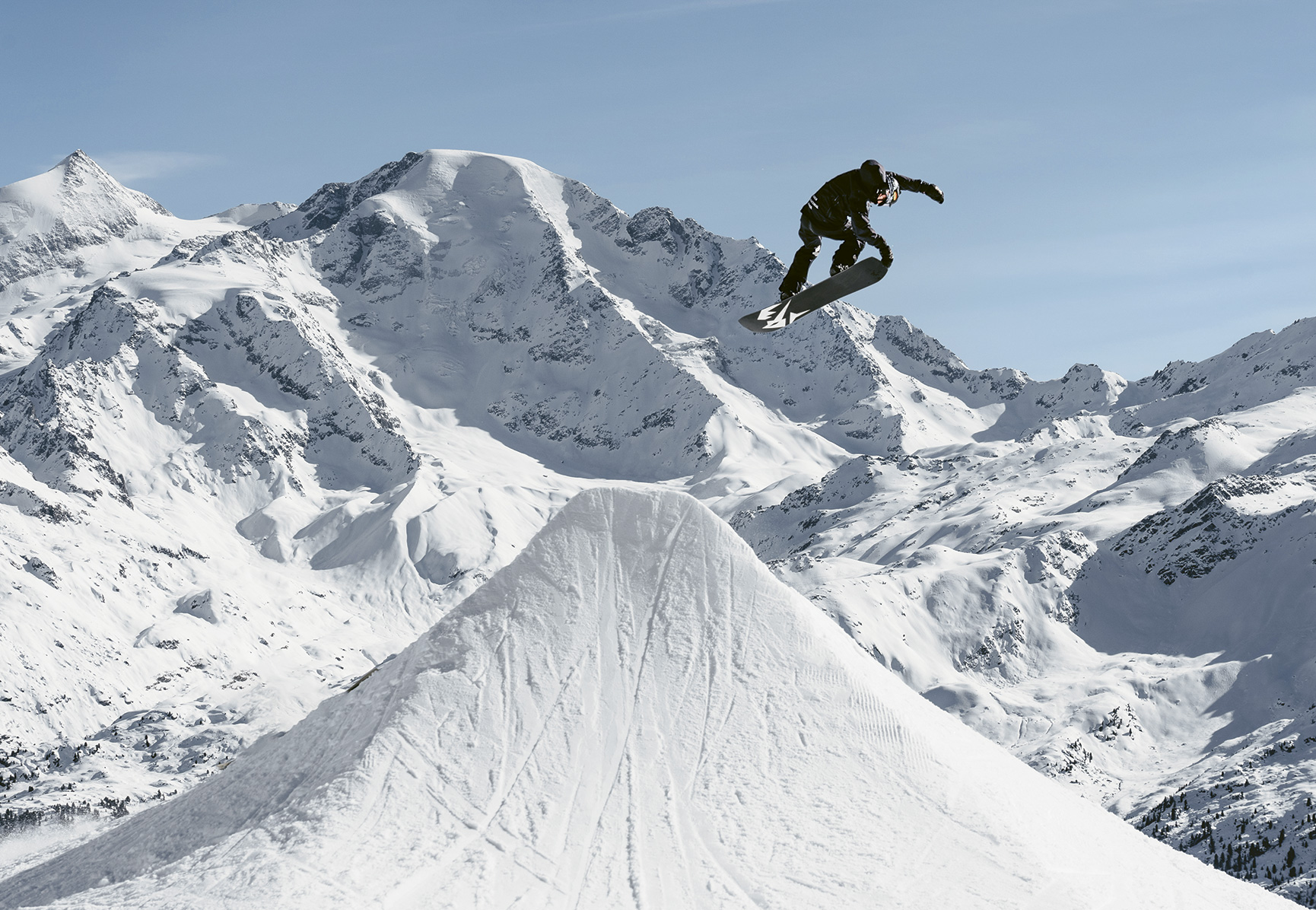
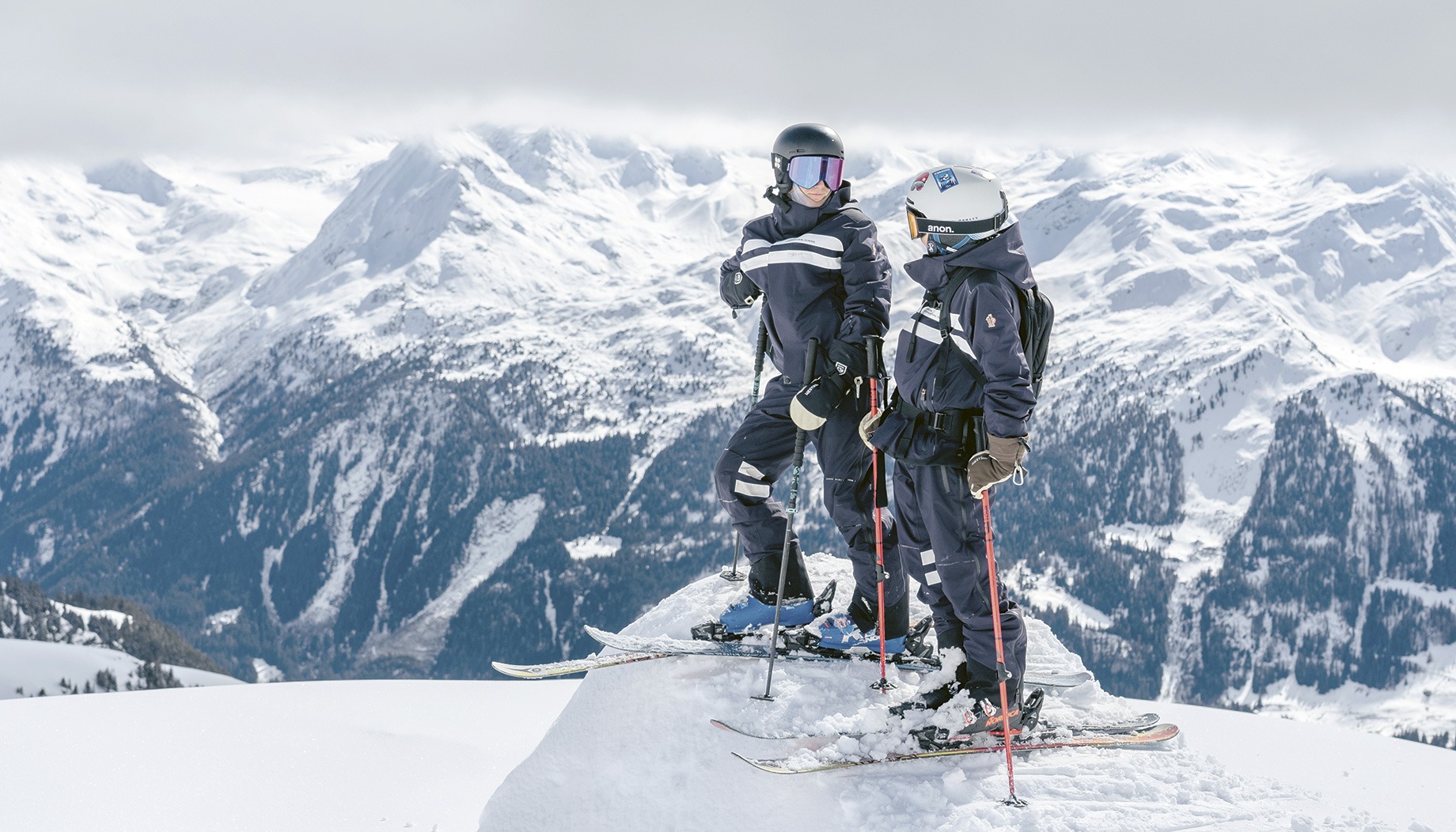
In 1915, spurred by the First World War, Le Rosey set course for Gstaad for the winter. A trial run that quickly became the norm, then a tradition, contributing to the resort’s booming growth, where several wealthy families settled. Why? Primarily because of the mountains’ powerful educational potential: sports like skiing, ice skating and mountaineering help forge character, instil discipline and encourage endurance, empowerment, maturity, resilience and team spirit… to name just a few of the benefits. And, of course, there’s the added bonus of the students’ parents being able to network.
Become the best version of yourself
At the time, the Collège Alpin International Beau Soleil, which had been in Gstaad since 1910, had already moved to Villars-sur-Ollon’s sunny plateau at 1,300 m in altitude. After the Second World War, three more schools were founded within three years, all of which are still active today — La Garenne International School in 1947, Préfleuri International Alpine School in 1948, and Aiglon College in Chesières, in 1949.
All of them are still primarily based on the British boarding school model, emphasising their high standing, quest for excellence, small class sizes and high level of personalisation — for studies that often begin in early childhood. The schools are also often influenced by the Montessori method or Austrian Rudolf Steiner’s holistic education approach, which relies heavily on the integration of the arts and manual labour. While run at first by their essentially English and French founders, these elite Swiss boarding schools began little by little to attract candidates from all four corners of the globe, reinforcing socialization, language practice and a potentially powerful future network for their students.
Over time, the goals evolved: as the world globalised, it became more about preparing for international exams and increasing both mobility and adaptability on a global level. In contrast to the demagogic influences of the past few years, the schools have strongly emphasised humanist values and the central role of multilateralism. Education is bilingual or entirely in English, with options to obtain a French Baccalauréat, British A-Level, Swiss Maturité or an IB (International Baccalaureate) upon completion of studies.
A (very) dynamic education
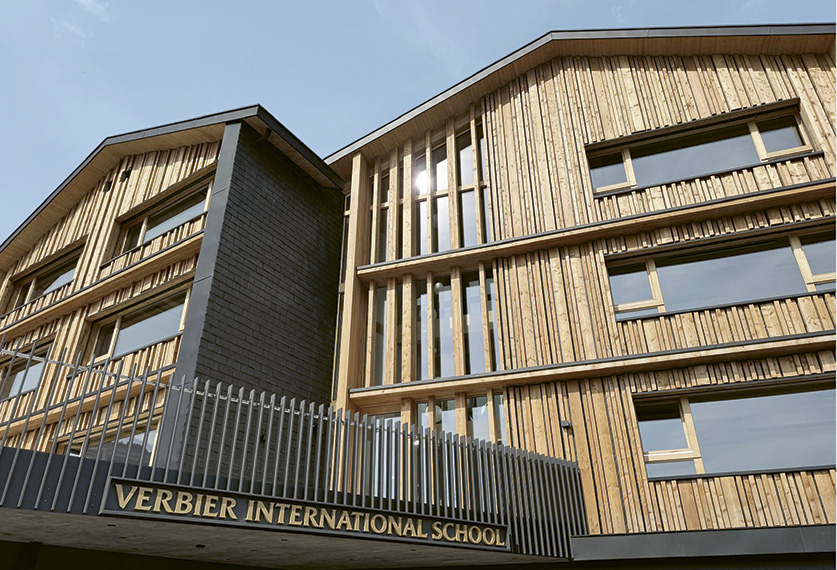
The security and quality of life that Switzerland in general (and Valais’ ski resorts in particular) offers have been attracting increasing numbers of wealthy foreign residents. This new boom led to the 2011 founding of the Verbier International School, whose mantra is to “educate beyond the curriculum” and shape world citizens who are sharp, integrated, independent and creative. How exactly? Using a holistic approach that offers multiple sources of learning and experience, like debates, theatre, fine arts and even cooking classes, plus cultural visits, hikes and other sport activities that span dozens of other domains. Take for example the sport-study Ski Race Academy program or the Freeride Academy program, which include glacier outings in Zermatt and Saas Fee. It was a success, which inspired the creation of the Copperfield International School, also in Verbier — until the two schools unified in summer 2025, under the aegis of Duke’s Education, and inaugurated the new Trois Cimes campus premises (with an adjoining sports centre).
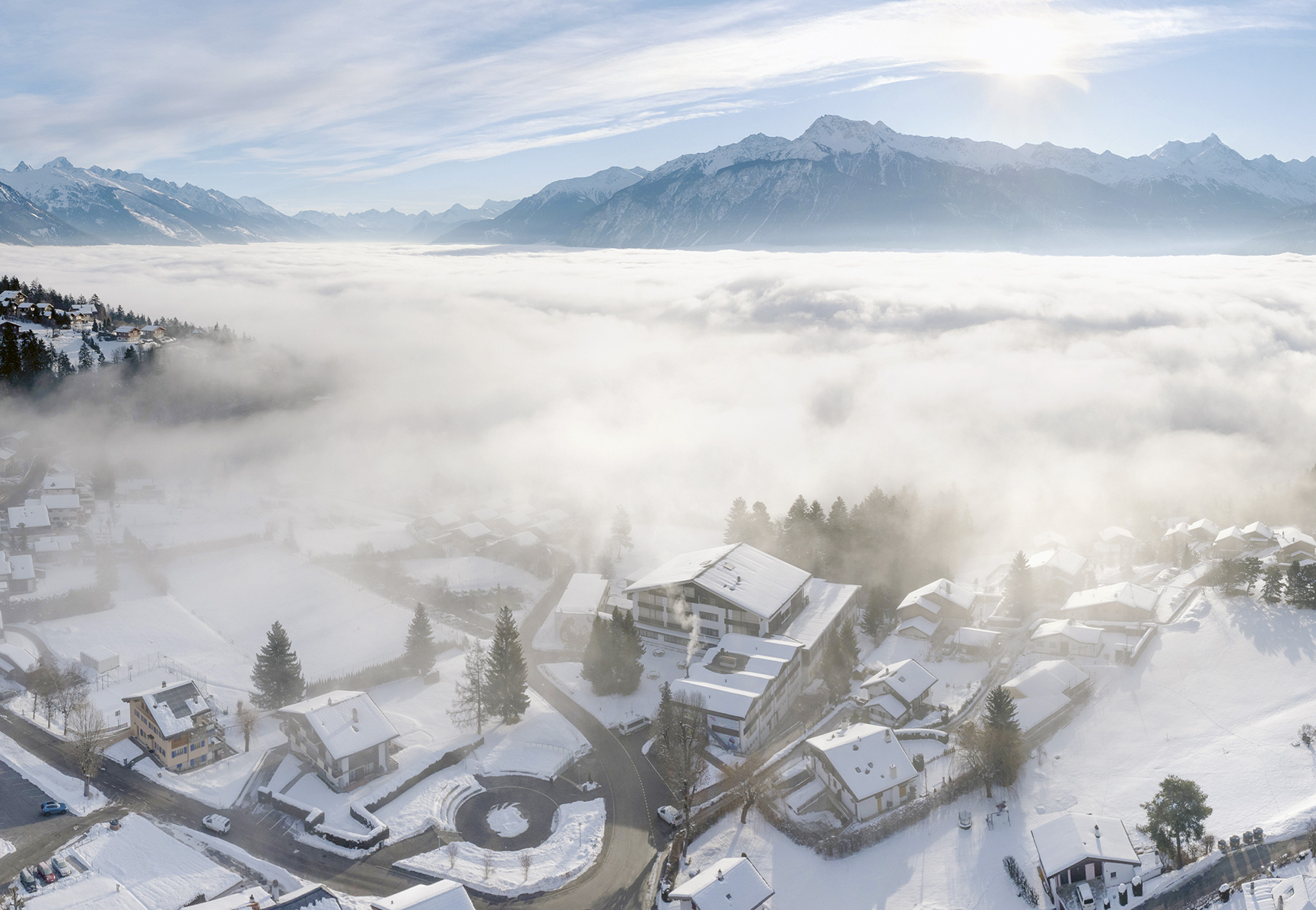
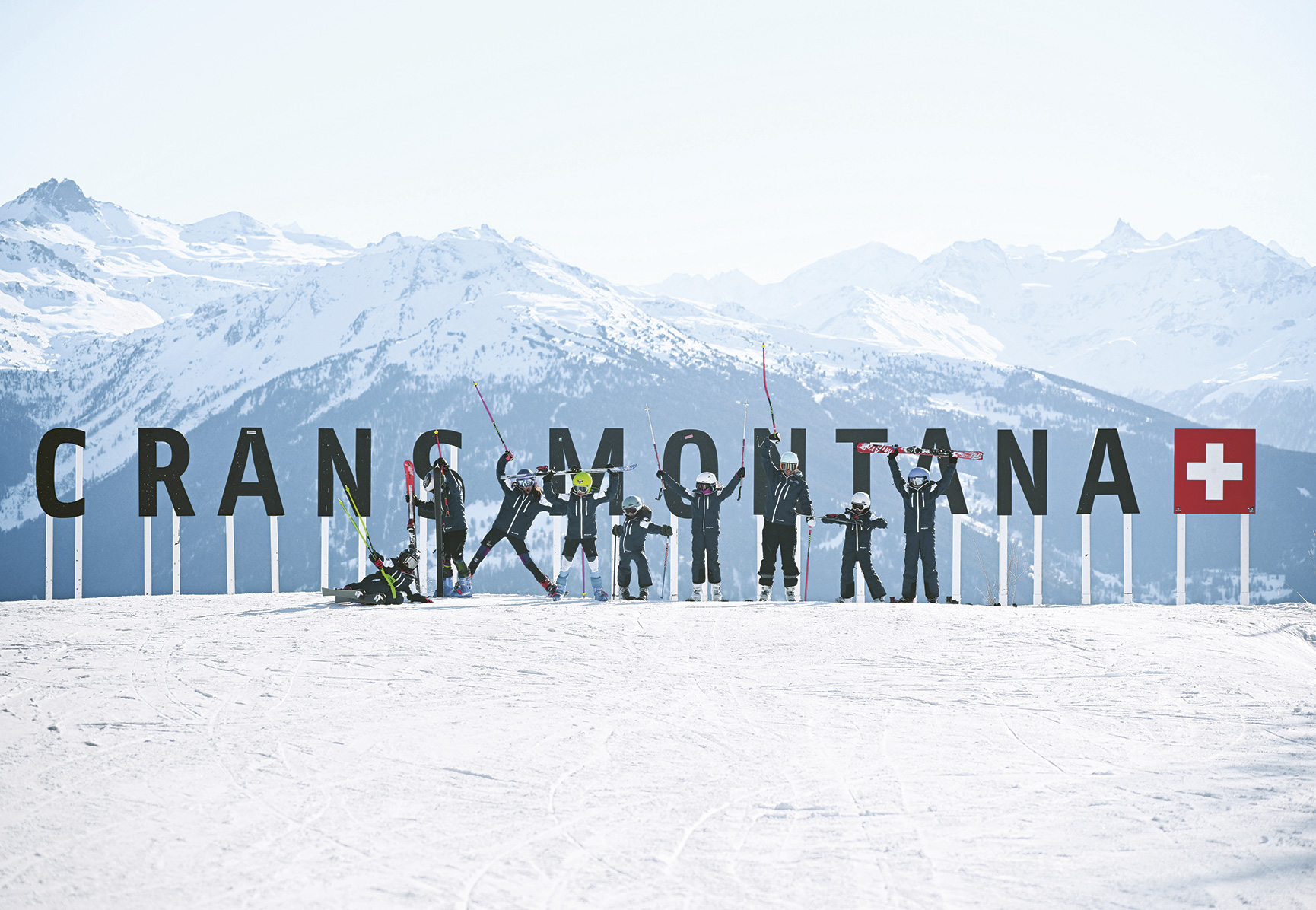
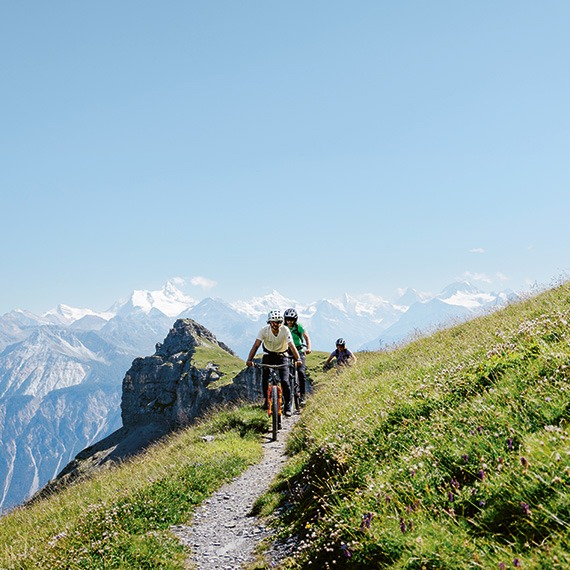
On the other side of the valley, in the heart of Crans Montana, the Le Régent International School (the youngest of the Swiss international boarding schools, founded in 2015) adopted a similar philosophy, expressed through their unique educational model: learning with the head, heart, and hand (h³). All classes are in English with obligatory French classes. It offers “experiential learning” with orientation courses in a plethora of options from music to yoga, debating, eloquence, robotics, mountain biking or hockey. The goal is to enhance development to help children reach their full potential, build practical skills and strong character that will last a lifetime and shape responsible citizens, entrepreneurs and leaders who are conscious of their social (and even environmental) role, ultimately having a positive impact on the future of the world. A core mission and enormous ambition to prepare students to excel in all their pursuits.
Les Roches, a High-Altitude Hospitality School
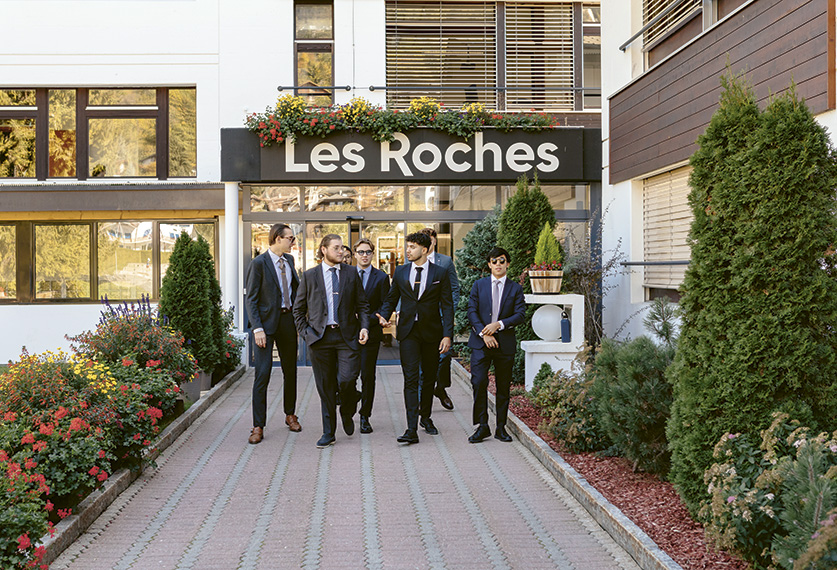
Les Roches, one of the world’s leading hotel management schools, has been established in Crans-Montana since 1954. Inspired by the concept behind other boarding schools, Les Roches developed with a greater focus on international hospitality, and what could be better? The perfectly positioned campus, which overlooks the Valais Alps, is surrounded by a cohort of high luxury establishments that embody Swiss excellence.
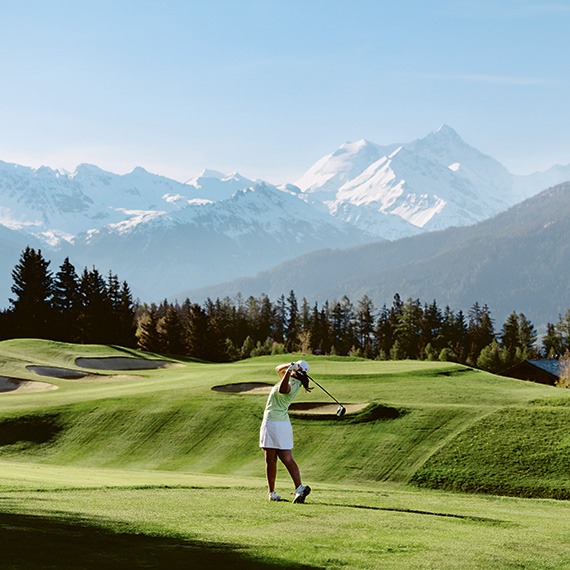
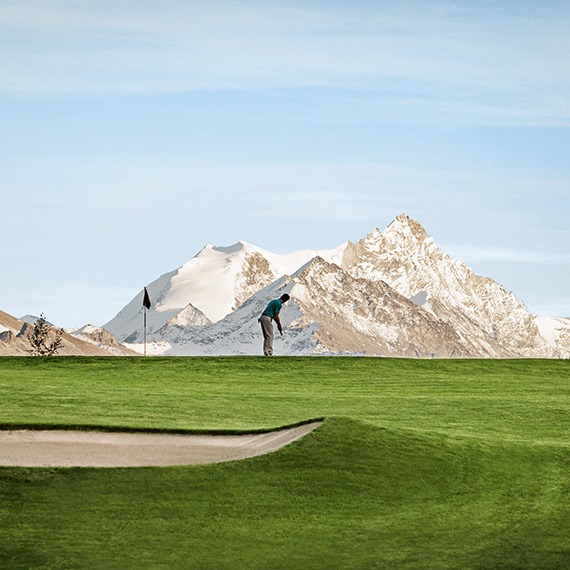
Here, learning doesn’t happen in a sterile environment, instead everything that is taught becomes part of daily life, within the exceptionally privileged setting of the ski resort. “It’s an open-air classroom,” enthuses the school’s director, Giovanni Odaglia. Star hotels, a dynamic culinary scene, ski slopes, golf courses and international sporting events are all key elements of the education offered at Les Roches, offering an avenue into every possible career path. More than an education, Les Roches asserts itself as a lifestyle, perfectly captured in its motto: Les Roches is not just a school; it is a Way of Life.
A powerful international dimension
Offering programs in applied hospitality sciences, luxury tourism, the experience economy and entrepreneurship, the school aims to train world leaders in high-end tourism — entirely in English to ensure strong international grounding. A highlight is the highly immersive Bachelor of Science in Global Hospitality, which immediately opens the door to rich internship opportunities around the world and a truly dynamic career. At the graduate level, the MBA and Executive MBA programs in Global Hospitality Management are both highly successful, as is the Master of Science in Sports Management and Events, which takes full advantage of Switzerland’s central role in major international sporting institutions.
A Les Roches degree comes with a rare guarantee: that of being sought after. It should thus be no surprise that the institution ranks second in the world in the QS University Rankings by Subject 2025 — a major indicator of its reputation and the high employability of its graduates.
A member of the Swiss Learning network, which brings together the crème de la crème of Swiss private education, Les Roches has in fact expanded far beyond Valais. With campuses in Marbella (Spain), Abu Dhabi and (soon) Riyadh in Saudi Arabia, there’s no doubt that the school puts the “global” in global hospitality education, with a student body that numbers nearly 2,600 students and represents around a hundred nationalities.
Learning through practice, above all
Several key words define the education one receives at Les Roches, including service, leadership, innovation and problem-solving. But if one had to choose a priority, what would the essential mindset underlying all of Les Roches’ teaching be? “It would be a combination of academic excellence and human-centred experiential learning,” says Giovanni Odaglia.
At the Crans-Montana campus, training rooms, restaurants and bars are combined with state-of-the-art facilities that are all housed within the contemporary Spark-designed building — which also includes virtual reality rooms and a digital media studio. Here, the best modern technologies are used to develop and refine experience-based skills through collaborative work in small groups. Visitors can even dine at Substance, the school’s training restaurant, which showcases modern Alpine cuisine made with hyper-local, sustainably-
grown ingredients.
From the moment the academic year begins, group projects and decision-making exercises set the pace, while each student’s interests and creativity are nurtured through a wide variety of student clubs. Cooking, wine knowledge, sustainability, the arts, charitable investments, sports… talents of all kinds are encouraged to flourish here. The ultimate goal? To build deep mastery that enables young people to find their true place in the world.