

 (0)
(0)
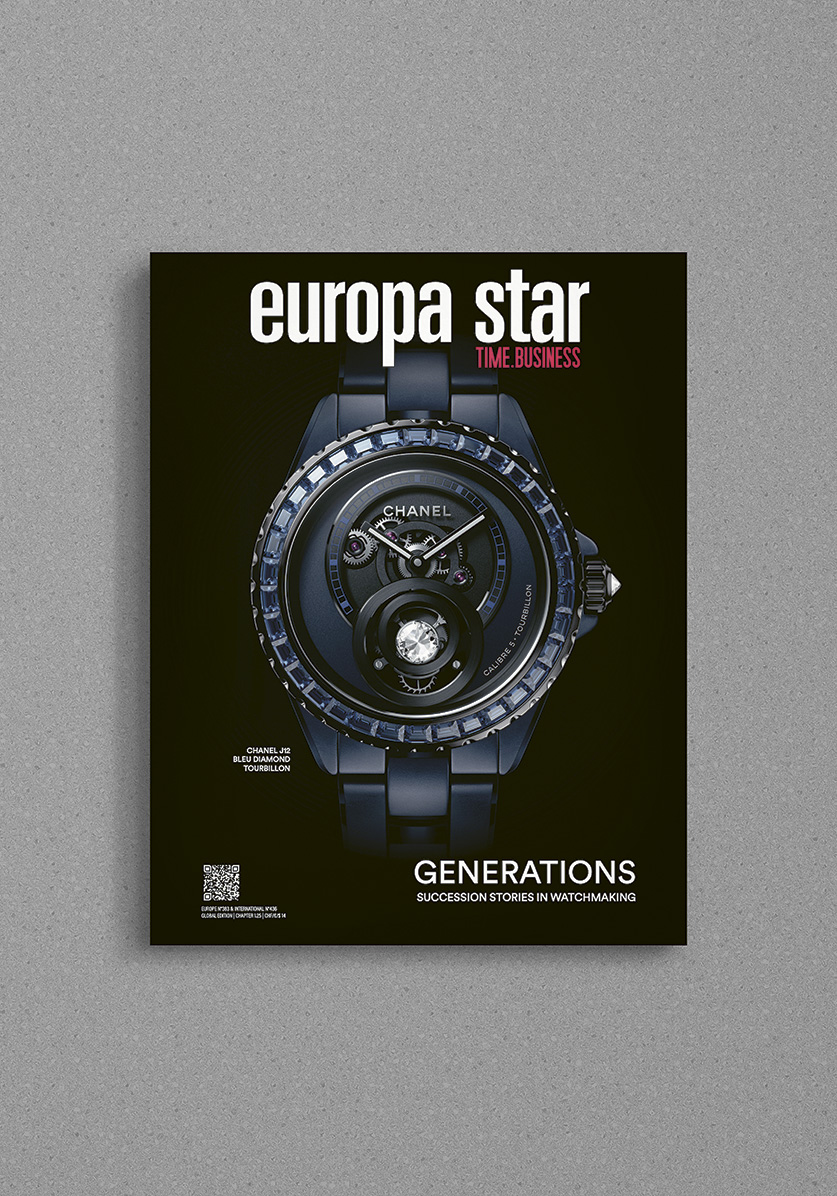
Europa Star
Watchmaking heritage
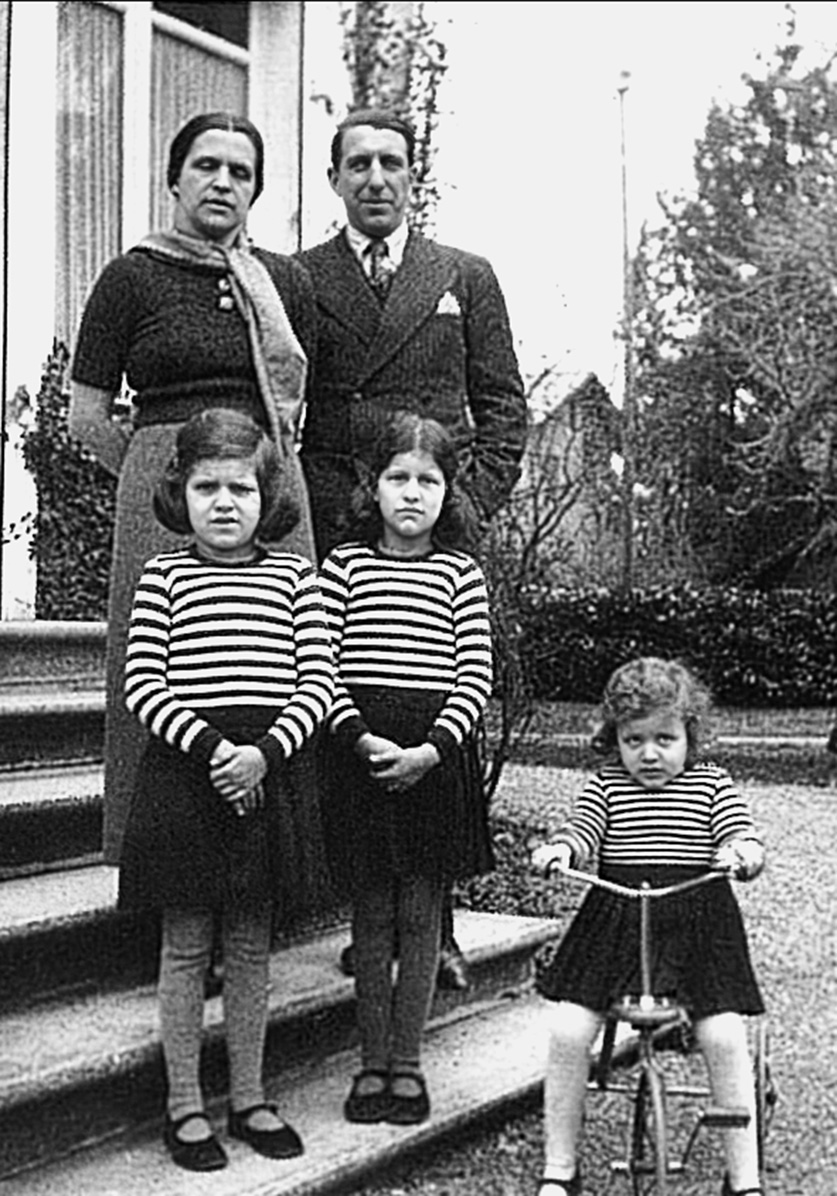
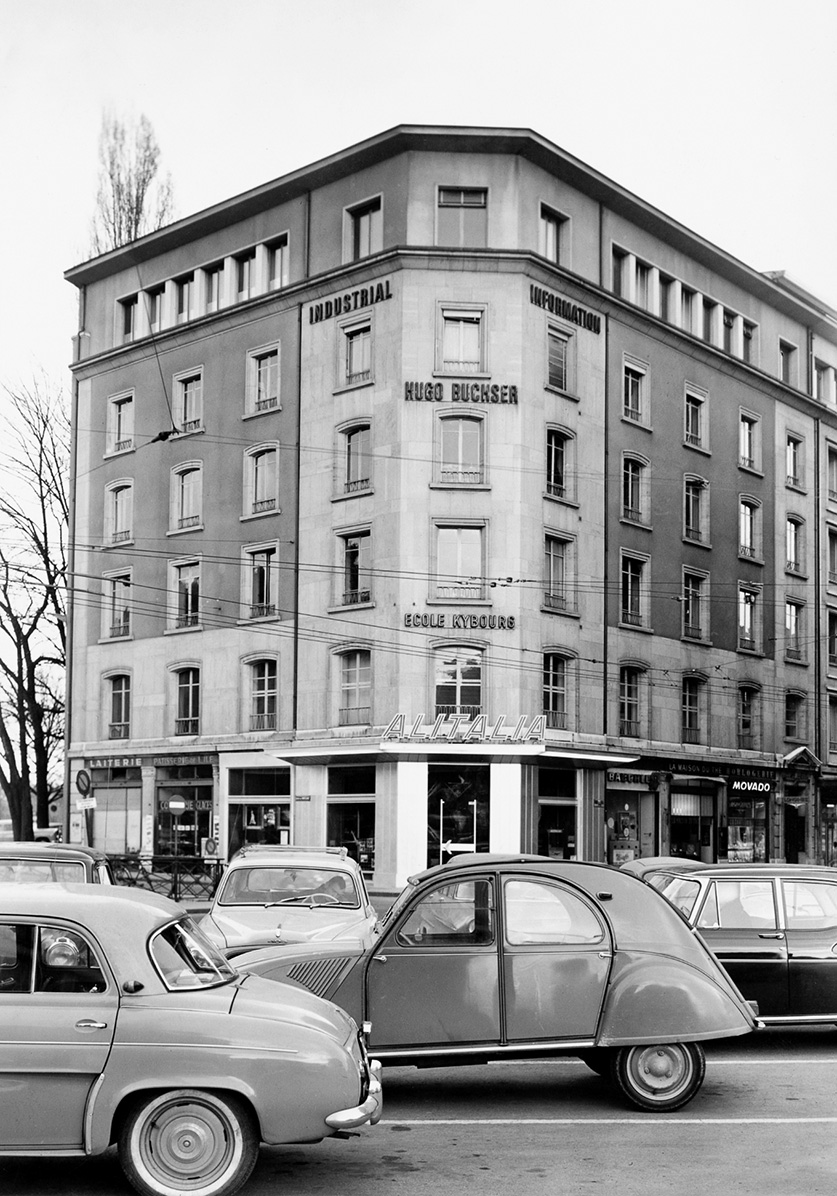
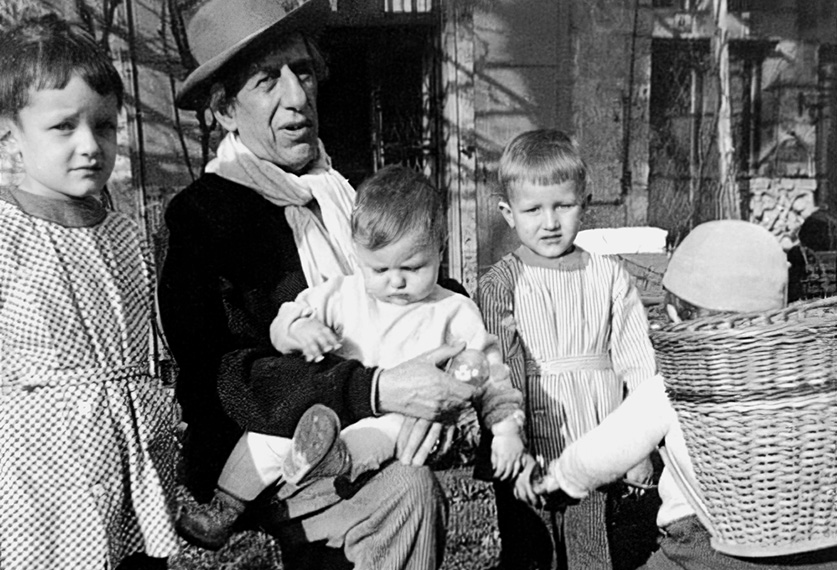
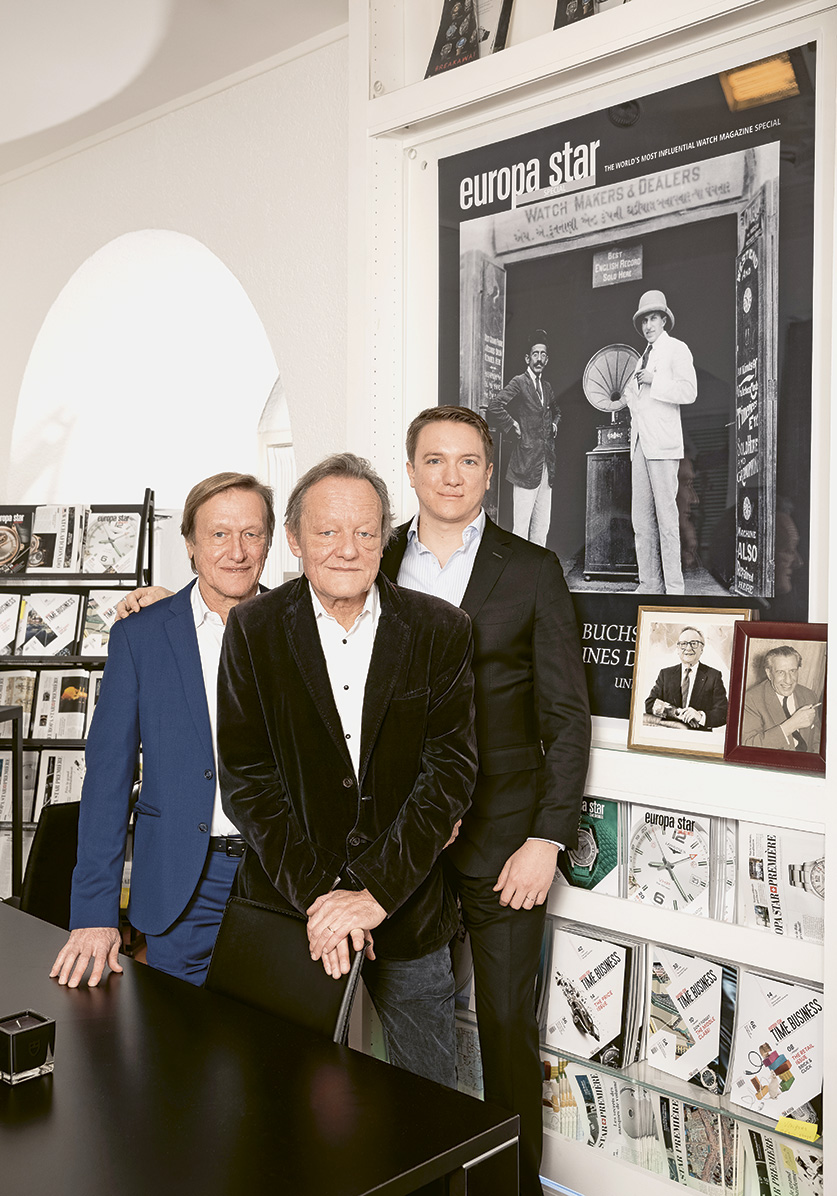
It was a century ago that 30-year-old Hugo Buchser, after spending a decade selling Swiss watches around the globe, founded his first watchmaking publication in Geneva. Many, many more would follow, distributed in the 1950s under the name Europa Star. The team at helvet had the pleasure of interviewing Serge Maillard, Buchser’s great-grandson and the company’s current director.
It was the era of gentleman travellers, steamboats and the Suez Canal, never-ending days on the ship’s rail and nights at the captain’s table.
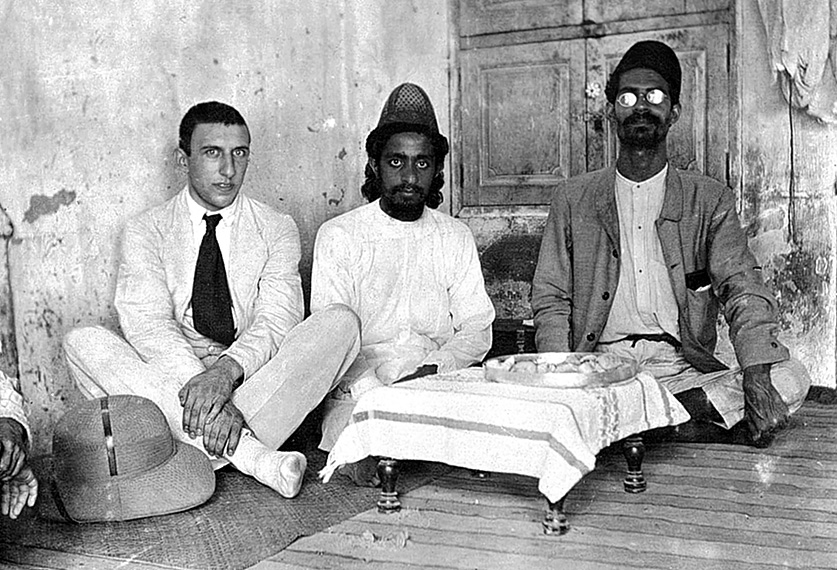
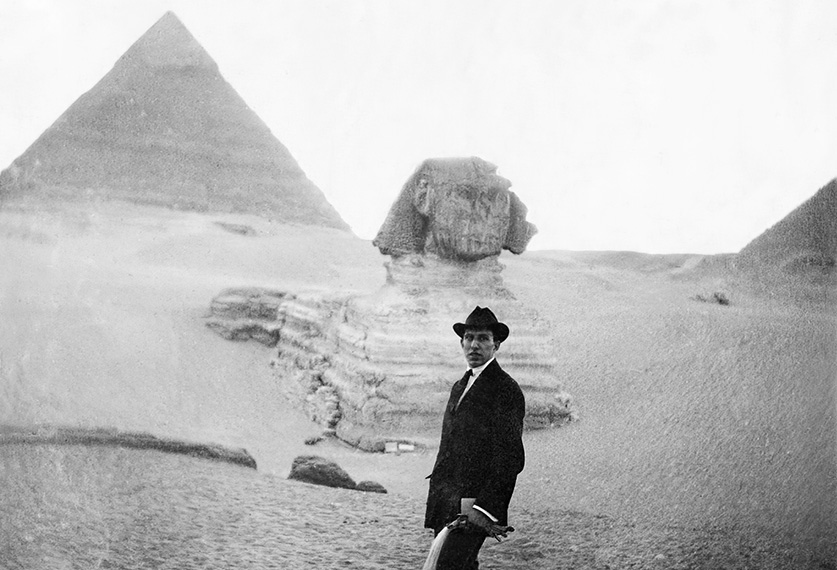
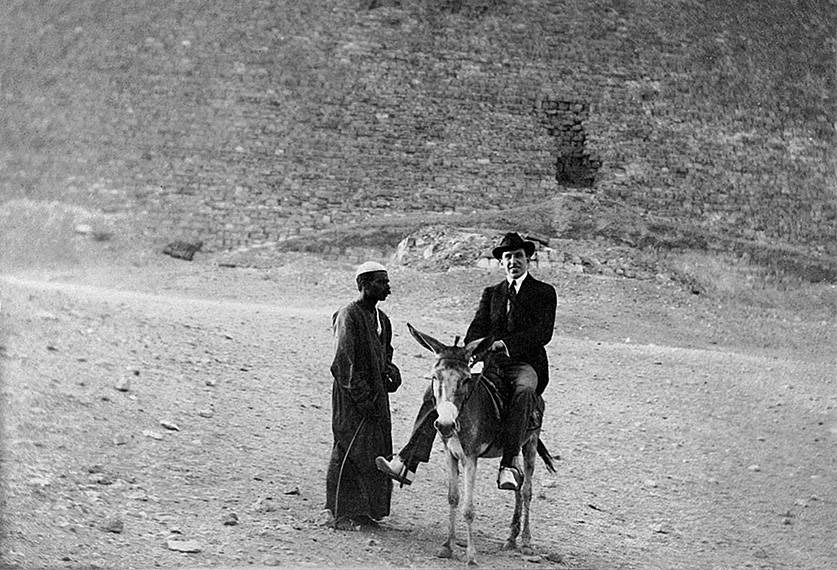
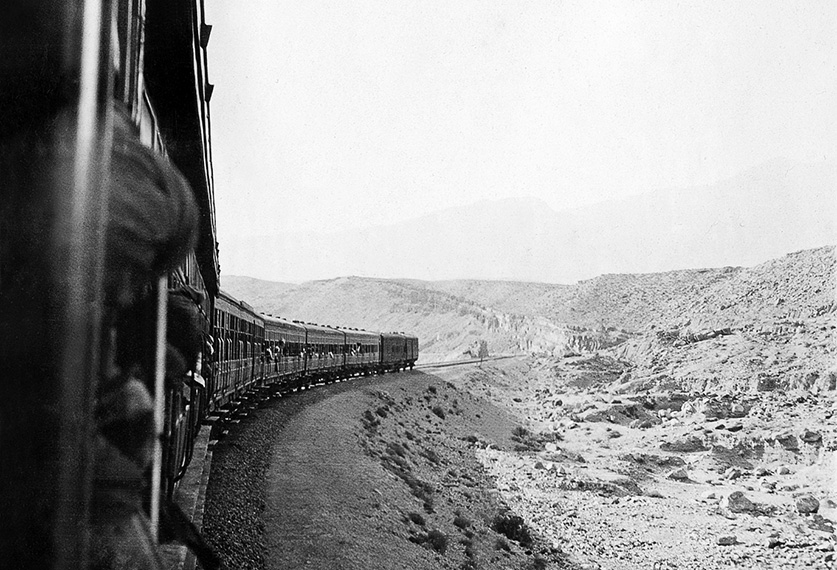
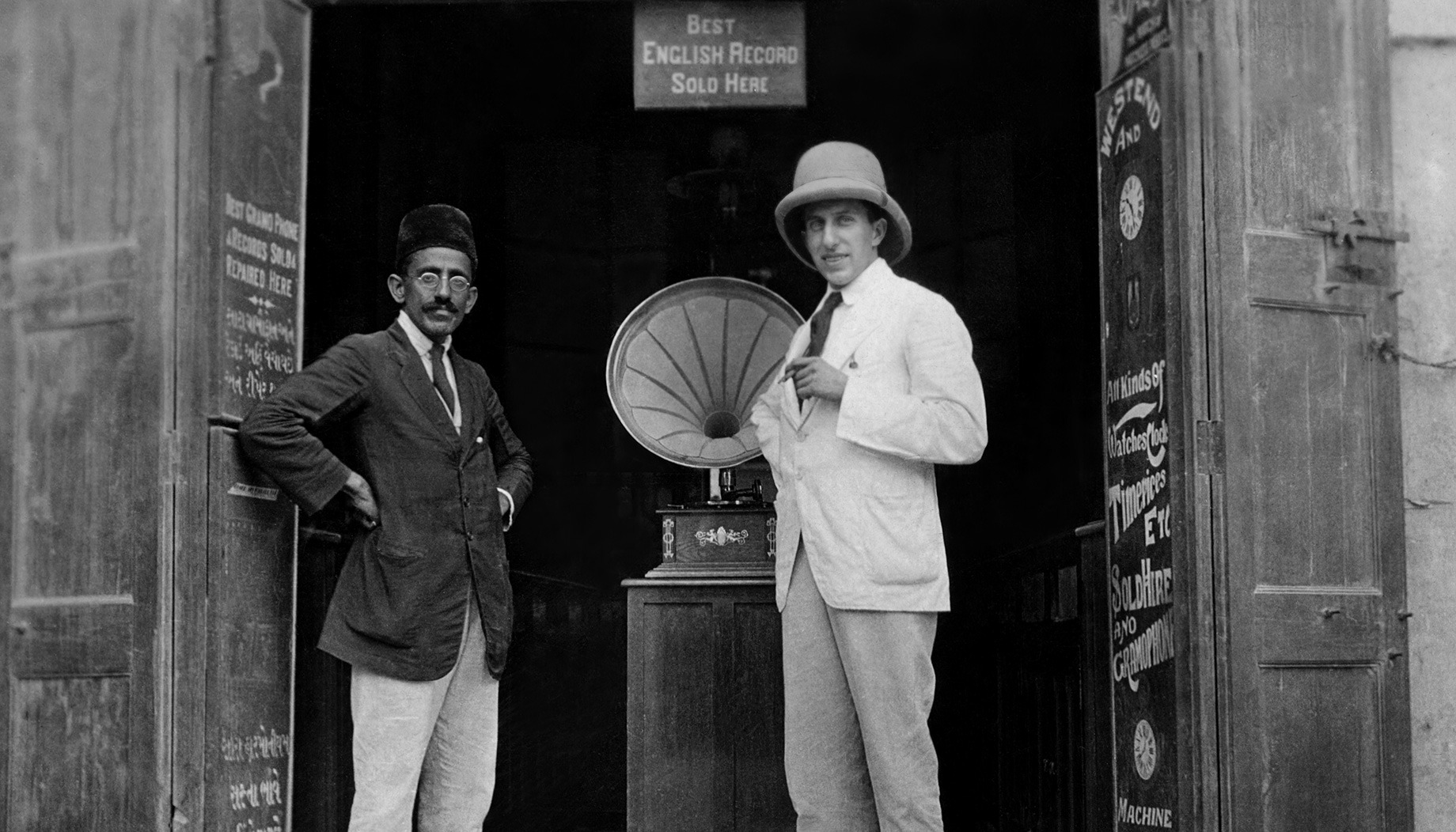
The First World War broke out just when young Hugo Buchser, barely 18 years old, founded his first watchmaking company: Transmarine Uhrenfabrik. The name referenced his love for the high seas, and his success soon saw him taking multiple trips to Brussels. The small company flourished as a family business, but the young man had much bigger dreams. So, in 1920, he headed to Egypt and Southeast Asia with a trunk full of watches with springs that had accidently been reversed (purchased at a discount). While the watches didn’t function, they were still very prestigious and soon found themselves adorning the wrists of the maharajahs. Back then, in India, time was not of the essence and men were still the masters of time.
Cunning as a fox, Hugo amazed his customers with fluorescent “magic” watches (made with radium, which glowed when exposed to direct sunlight). The pitch worked like a charm and the sales poured in. After a year of traveling from the Ganges plains to the edge of Hindu Kush mountain range, Hugo returned home having completed his sales mission. He even claimed to have spent the night in a tent with a certain Hindu activist who went by the name of Gandhi.
A dynasty of watchmaking editors
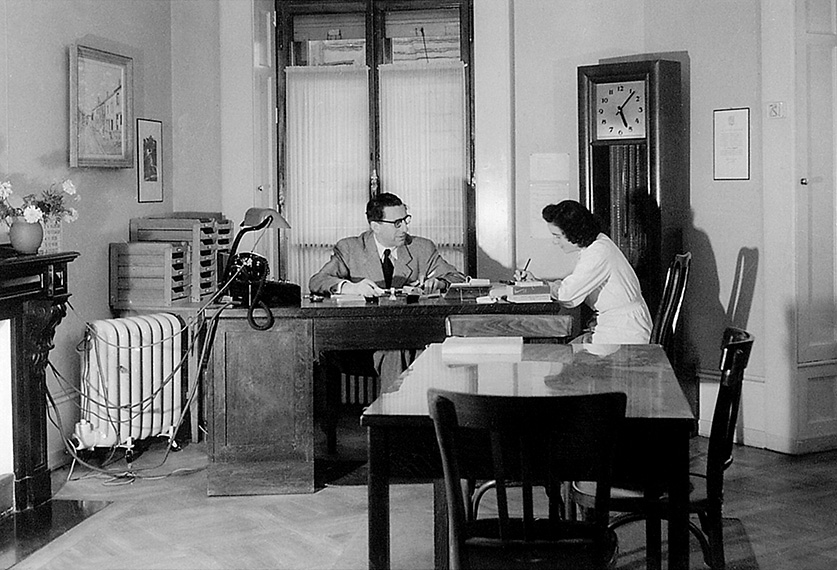
In 1926, Hugo married the heiress of watch manufacturer Roamer. He then launched himself into publishing, “after identifying a need for an editorial bridge between the Swiss watchmaking industry and foreign markets”, according to his great-grandson Serge Maillard, who leads the family business today.
“The first publications were multilingual guides with the addresses of all the various suppliers”, explained Serge. This included publications like Buyer’s Guide, Machinery Guide and Bulletin, which contained technical information. There was even Rapid, which, starting in 1932, accompanied tourists visiting Switzerland in direct competition with the then-new Michelin Guide! “These guides then evolved to having regular reporting and became periodicals, reviews and magazines. It was a little bit like the LinkedIn of the times, with lots of ads designed to connect watch industry professionals with the rest of the world. Some brands built their entire global network using Europa Star!”
Serge Maillard, what does it mean to you to soon be celebrating the 100th anniversary of Europa Star?
First and foremost, I feel a sense of responsibility. Any title that lasts a century belongs to the collective history – that of the watchmakers, suppliers, retailers and collectors. This centenary gives us an opportunity to tell our story, while also giving us a chance to look towards the next few decades. But our goal will always be the same: to chronicle the lives and stories behind watchmaking, jewellery making and related micro-technologies.
You’re the director of the only Swiss watch magazine that has been published without interruption for a century…
Since 1927, we have published under various titles in different languages that were adapted to local markets: English, French, Chinese, Spanish, Portuguese, and even in Hindi! Europa Star was the title of our European edition, launched after the Treaty of Rome in the 1950s, which opened a significant European market to Swiss watchmakers. Over time, the bulk of our productions were rebranded under that name. Europa Star has survived wars, the quartz crises, globalisation and the digitization of media. Our continuity, independence and family spirit are strong cornerstones of our identity.
We have since digitized all our editions and rereading them is a journey through watchmaking history of the 20th and 21st centuries. We covered the emergence of the wristwatch, the iconic watch models of the 1950s through the 1970s, the quartz revolution, the subsequent rebirth of beautiful mechanical watches, the emergence of the independent scene and the new golden era we’ve been seeing for the past few years… Whether in print or digital formats, which have been available for 30 years now since 1995, we’ve been chronicling all of that history.
How do you define Europa Star today?
By one constant filter: added editorial value. We do deep reporting, but we also cover the news, the value chain (suppliers, distribution, retail, second hand), technique (movements, materials) and culture (brand histories, iconography, design). Each subject has its place in our long chronology, with references pulled from our archives.
Today we publish in French, English, Spanish and Chinese. Our distribution is still very international, with large audiences in Europe, North America and Asia. Our overarching editorial guidelines are to work via specific themes and subjects that stand the test of time.
Do in-person meetings play an important role?
They are the driving force behind journalism. In September, for example, we dedicated 20 of our 40 pages to the AHCI (Académie Horlogère des Créateurs Indépendants), which is made up of the best watchmakers in the world, like François-Paul Journe, Vianney Halter, Philippe Dufour, Felix Baumgartner, Svend Andersen, Vincent Calabrese, and more… They all got together for a meeting, a photoshoot and a friendly meal. It was an exceptional moment, suspended in time, and it was only possible because we have known these watchmakers since their beginnings and have followed them throughout their careers!
Are you the voice of the Swiss watch industry?
Our publications have always been characterised by a high degree of independence: we have never been Swiss watch industry lobbyists, we have always worked towards developing watchmaking on a global scale, within its many facets. Being able to look back long-term has allowed us to contextualize and sometimes we may take a stand depending on what’s at stake.
How do you think the magazine is perceived?
As an independent reference that’s appreciated for its memory and its long-term perspective. We offer cyclical insights not just the latest news. And while we are, of course, exploring podcasts, video and other digital formats, our focus is always on form. The most important thing to us is still our identity.
Print is still very prominent when it comes to reference. Our goal is for our readers to collect our publications, much like they collect watches. That’s often the case with retailers who pass their careers down through several generations of family members. Many of them tell me that our publications played a fundamental role in their watchmaking training when they were young. It’s always very moving to hear something like that.
Will there be a special centenary edition?
Every centenary issue will be exceptional, both in terms of form and content! Many projects are in the works, editorially and beyond…
Can you tell us about your personal watchmaking experience?
When I was four or five, I set a few goals for the year: I wanted to learn to tie my shoelaces myself… and learn to read time on my new analogue watch! When I was 12, I handed out our publications at our stand at the Basel trade show.
Inevitably, I found myself wanting to travel so I could discover, compare and contextualize our family story and the industry. And even though my career as a journalist initially led me away from watchmaking, the time came when I was ready to humbly carry on the family business and help it evolve. That inheritance gave me meaning and watchmaking is a limitless topic, which touches so many worlds – and one of life’s greatest questions: the meaning of time.