

 (0)
(0)
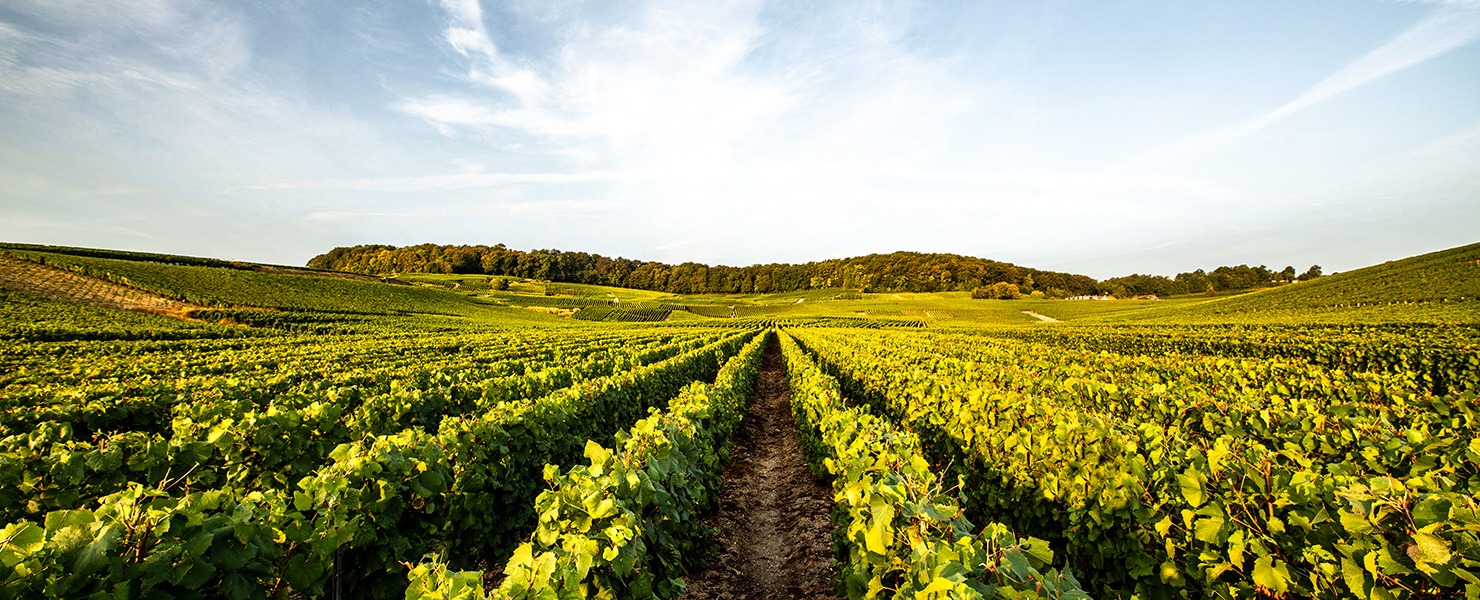
The Three Signature Expertise Areas of Laurent-Perrier
Craftsmanship at the heart of every cuvée.
1. The Art of Blending Reserve Wines
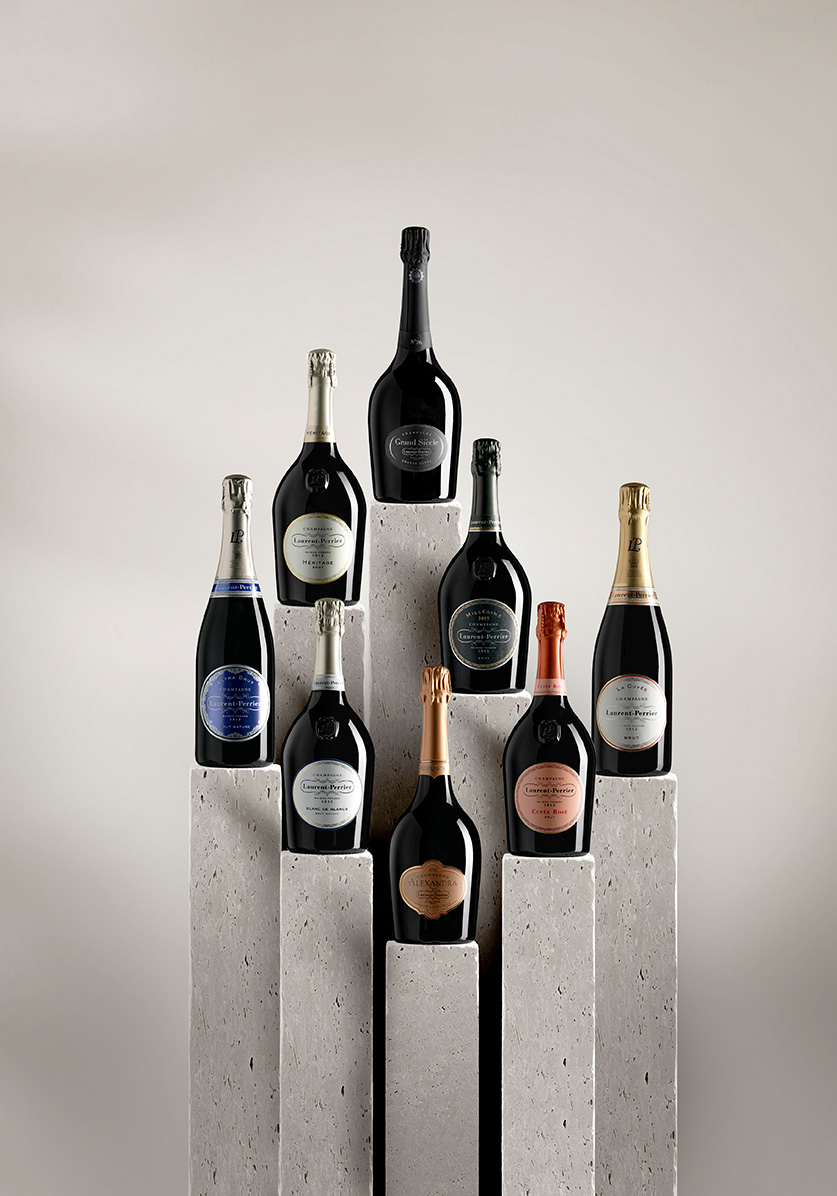
Under the leadership of Bernard de Nonancourt, Laurent-Perrier redefined the concept of prestige Champagne. Rather than relying on a single exceptional vintage, the House sought to recreate an ideal year by blending complementary reserve wines from outstanding vintages. This vision gave birth to the prestigious Grand Siècle.
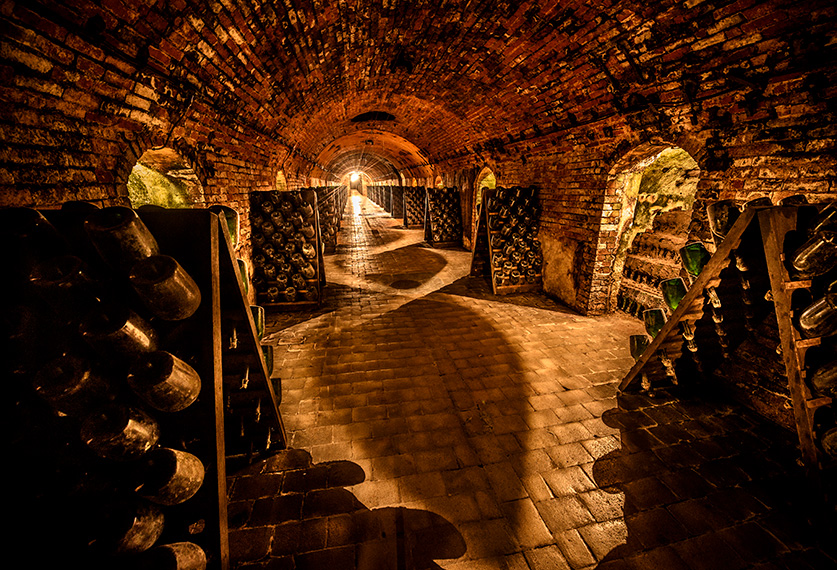
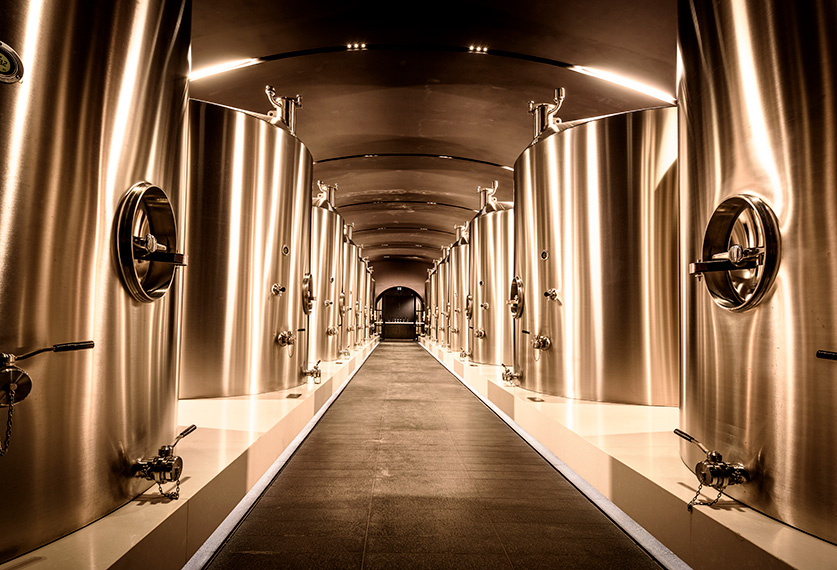
To preserve their unique character, reserve wines are stored separately by Cru and grape variety in temperature-controlled stainless-steel tanks, protecting their freshness and preventing oxidation. As Cellar Master Michel Fauconnet often explained, the quality of every blend begins with the mastery of vinification.
This expertise is reflected in several cuvées:
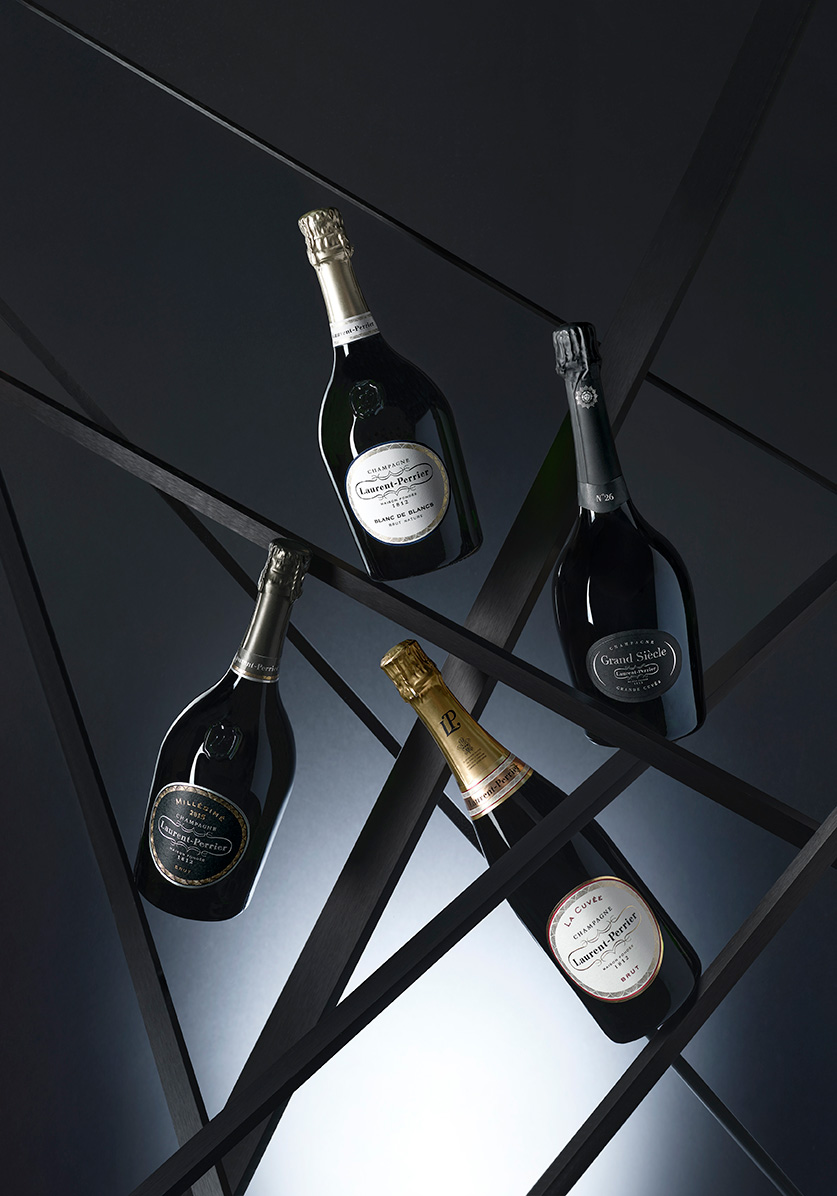
- Grand Siècle, blending three reserve vintages and two grape varieties sourced from up to 11 of Champagne's 17 Grands Crus.
- Héritage, made exclusively from carefully selected reserve wines.
- Brut Millésimé, combining equal parts Chardonnay from the Côte des Blancs and Pinot Noir from the Montagne de Reims.
- La Cuvée, blending more than 100 Crus with up to 30% reserve wines to ensure stylistic consistency.
2. Pinot Noir Maceration
This expertise dates back to the 1960s, when Laurent-Perrier developed its still Champagne wines, later known as Coteaux Champenois. The experience gained in extracting aromas from black grapes led to an entirely new style of rosé Champagne.
In 1968, the House introduced Cuvée Rosé, a non-vintage rosé produced through skin maceration rather than blending red and white wines, marking a milestone in Champagne history.
Pinot Noir skins remain in contact with the juice for 48 to 72 hours in dedicated stainless-steel tanks, with twice-daily pump-overs to extract colour and aromas before pressing.
This expertise is showcased in:
- Alexandra Rosé Millésimé, whose rarity lies in fermenting Pinot Noir and Chardonnay harvested at identical maturity.
- Cuvée Rosé, now considered one of Champagne's benchmark rosés.
3. Zero Dosage
The story began in 1889, when Widow Laurent-Perrier challenged convention by creating a Grand Vin Sans Sucre for British consumers, who already preferred drier wines.
Nearly a century later, Bernard de Nonancourt revived this vision with Laurent-Perrier Ultra Brut®, the House's first zero-dosage Champagne, introduced before the official Brut Nature category even existed.
Without dosage, perfect grape ripeness becomes essential. Chardonnay and Pinot Noir from the finest Crus are carefully selected, while a significant proportion of reserve wines helps achieve natural balance.
This expertise is expressed through Blanc de Blancs Brut Nature, a 100% Chardonnay with mineral and citrus notes, and Ultra Brut, a blend of 55% Chardonnay and 45% Pinot Noir aged for six years in the cellar.
Other news
Continuing the mission
GorillaSharpener
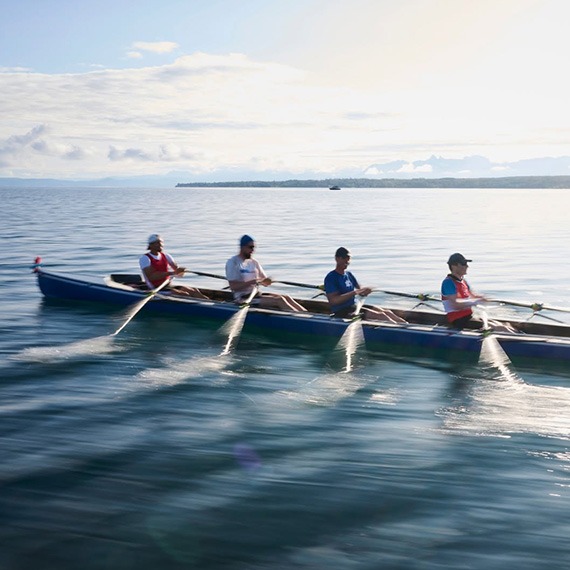
The Bcge Tour du Léman rowing race sets off saturday
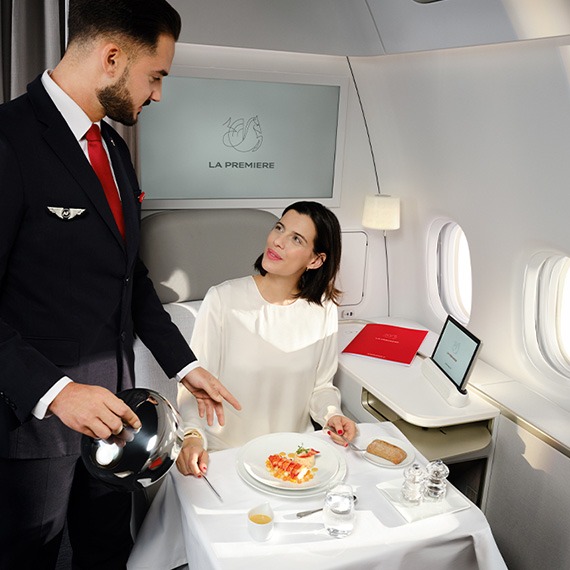
Air France wins World’s Best First Class
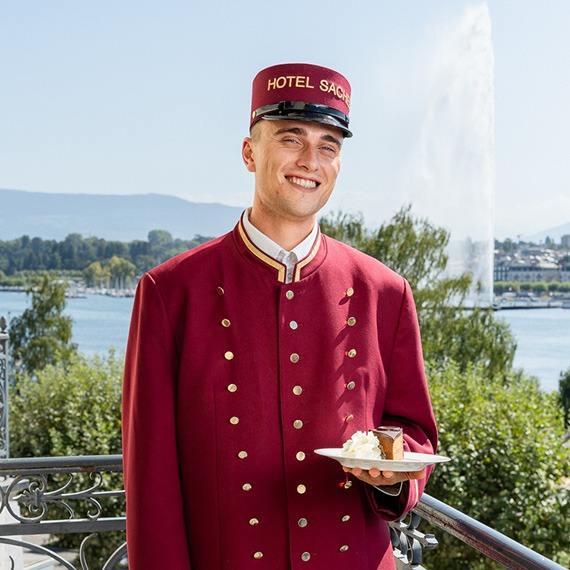
The iconic delicacies of Café Sacher
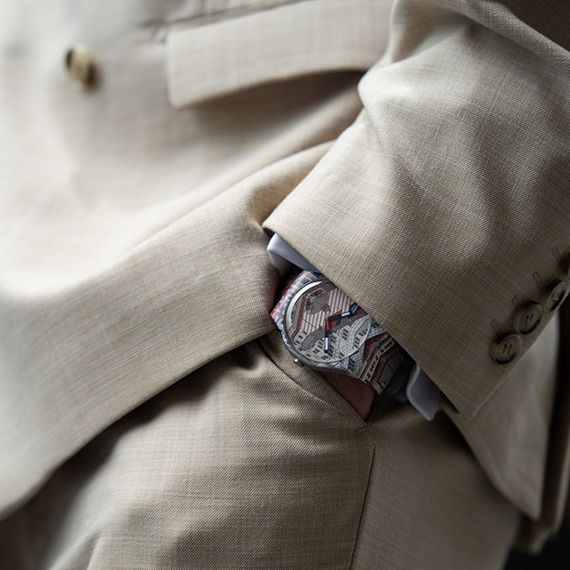
Swatch celebrates the 15th anniversary of the Swatch Art Peace Hotel
Manor secures Swiss exclusivity for Martine Cosmetics
Let’s eat!
Thriston Lawrence wins The OMEGA Masters 2026
Geneva Watch Days 2026

A footpath through wide open spaces