

 (0)
(0)
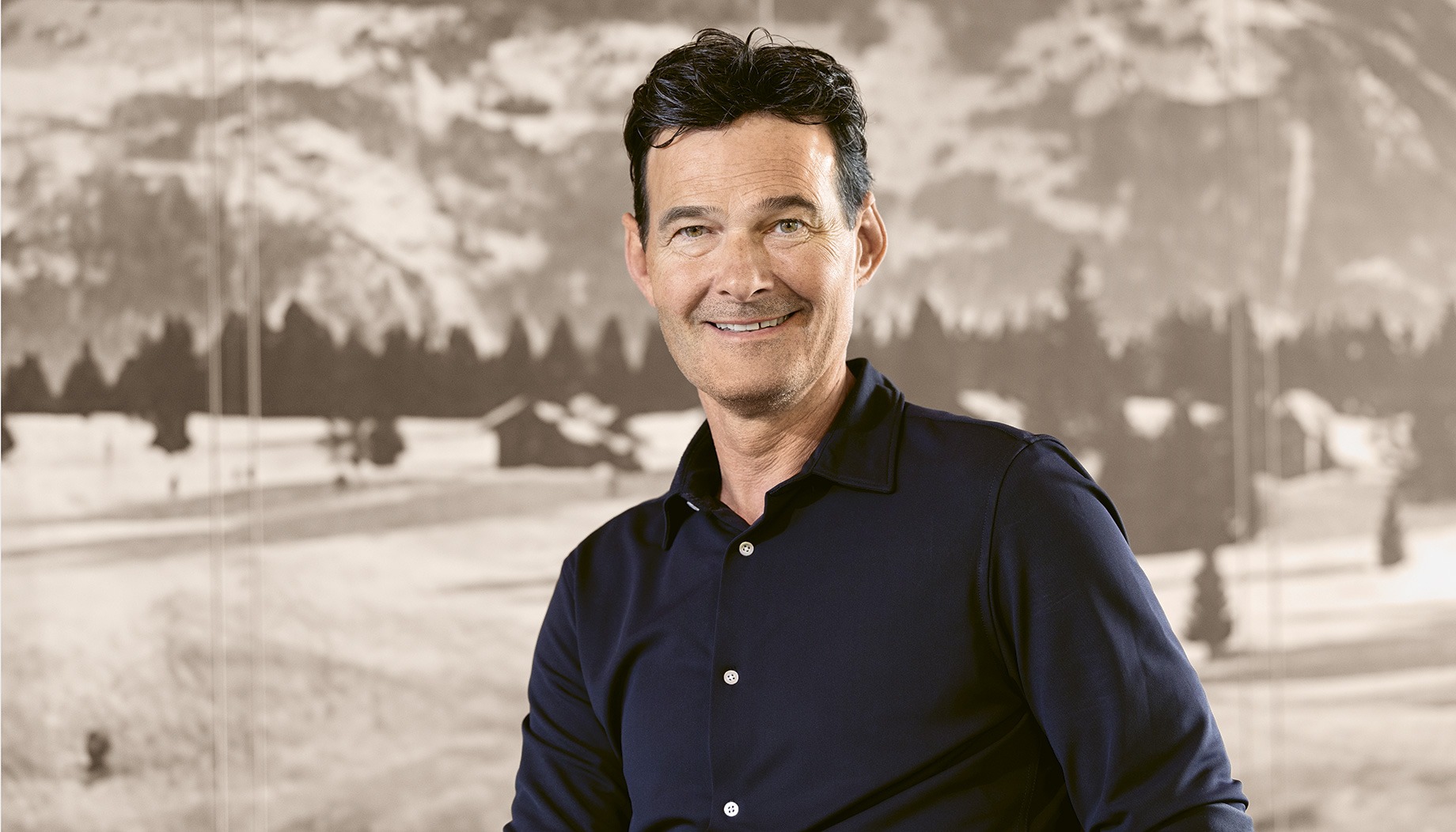
David Bagnoud, the mayor of Lens
A local’s path to politics
Bagnoud. A family name that’s well known in Crans-Montana’s high plateau, having long played an integral part in the region’s local affairs. We interview the current mayor of Lens, David Bagnoud, a man of many talents who wears many hats.
Does growing up in the heart of the mountains, between hikes, ski runs and horseback riding shape a man’s demeanour? One might think so, if you take David Bagnoud as an example. The young man from Lens has been fiercely independent since childhood. He chose a career path that includes both optics and commerce, having opened his first boutique in Crans-Montana while still in school — at just 19 years old!
“I’m an entrepreneur at heart”, he explains enthusiastically. And when that drive combined with his desire to do well — by himself and for all — he quickly found himself drawn toward local politics. It wasn’t for the verbal sparring or the power plays. Rather, he wanted to use his professional experience to participate in “the quest for solutions that benefit the development and future of the entire region”.
First a city councillor, in 2009 he became mayor of the municipality of Lens — the largest of the high plateau’s six municipalities. Thinking he would serve a single term, he threw himself into his projects without a thought to his re-election, focusing on obtaining results and defending common interests. And perhaps that’s the true secret to political success, because he met with success and was re-elected in 2012, 2016, 2020 and 2024, for what is now his 5th term.
David Bagnoud, what accomplishments are you most proud of?
I’m very proud to have anticipated and contributed to the creation of several hotel zones in the 2010s, and to have played a part in the development of Lens and its hamlets. Especially regarding the project for an international school.
What role does the Lens municipality play within the high plateau?
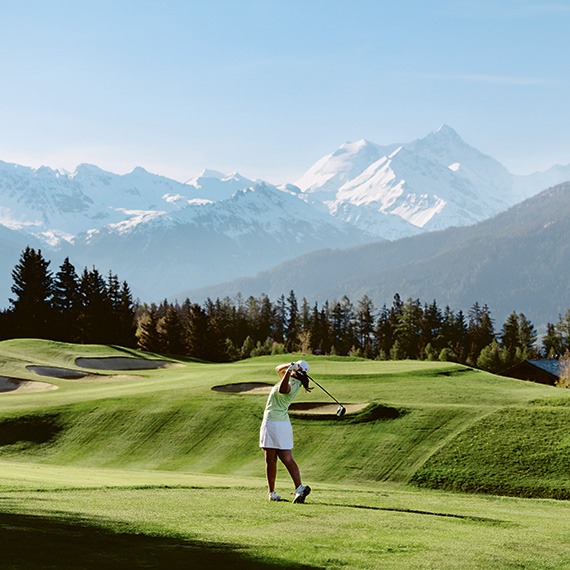
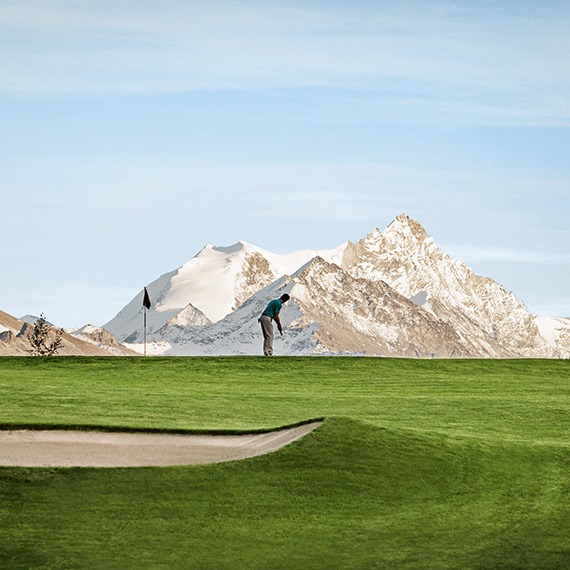
The Lens municipality plays a very important role because it represents a large section of the Crans territory. Our tourism — specifically golf, skiing and the creation of hotels — results in a major regional contribution and helps reinforce the entire area’s attractiveness. Lens is home to the Severiano Ballesteros golf course, and we also have the Le Régent international school and our wine-growing sector, which provide sustainable, year-round employment.
What are some of the most important projects of your 5th term?
The question of housing is becoming increasingly problematic in our area, so the municipality has planned to invest in the creation of housing meant for our region’s local residents and workers. Mobility is also a major challenge and the municipality is currently working on a new 250-car parking lot project in the centre of Crans. There is also a new hotel project in the upper region that’s nearly completed.
How important is sustainable development and the energy transition for the municipality, the high plateau region and, more broadly, Valais?
These are major questions that impact all municipalities, whether they are touristic in nature or not. We have hired a dedicated energy delegate who’s responsible for reviewing all of our projects in terms of solar power, long-distance heating and more.
Tell us about the Association des Communes de Crans-Montana (ACCM).
I think the creation of the ACCM has allowed us to simplify some of the many procedures linked to tourism. That said, it has also increased our role and its associated workload; sometimes it feels like we have an entire second municipality to manage! While the fusion of Montana, Mollens, Randogne and Chermignon into Crans-Montana in 2017 didn’t fundamentally alter the relationship with Lens and Icogne, being three municipalities instead of six has certainly simplified
certain processes.
What is the Association des Communes Touristiques Valaisannes de Montagne (ACTVM), of which you are president?
The creation of this association, which unites nine ski resorts, happened naturally. We were previously an informal association that often held friendly gatherings to discuss topics related to tourism, like equalisation. I wanted to make it more official so we could better address our shared difficulties (tourism, mobility, housing), communally implement proposed solutions and reflect together about future tourism challenges still to come.